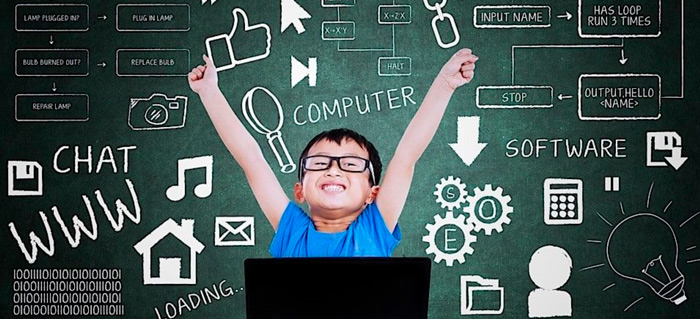
Young boy with short black hair and black glasses sitting in front of a laptop. Behind the boy is a green board with tech words and symbols written in white chalk.

Kids and Coding/Codificación y niños/as

What is the best age to start learning to code?
¿Cuál es la mejor edad para comenzar a codificar?

seven years old? ¿siete años de edad?
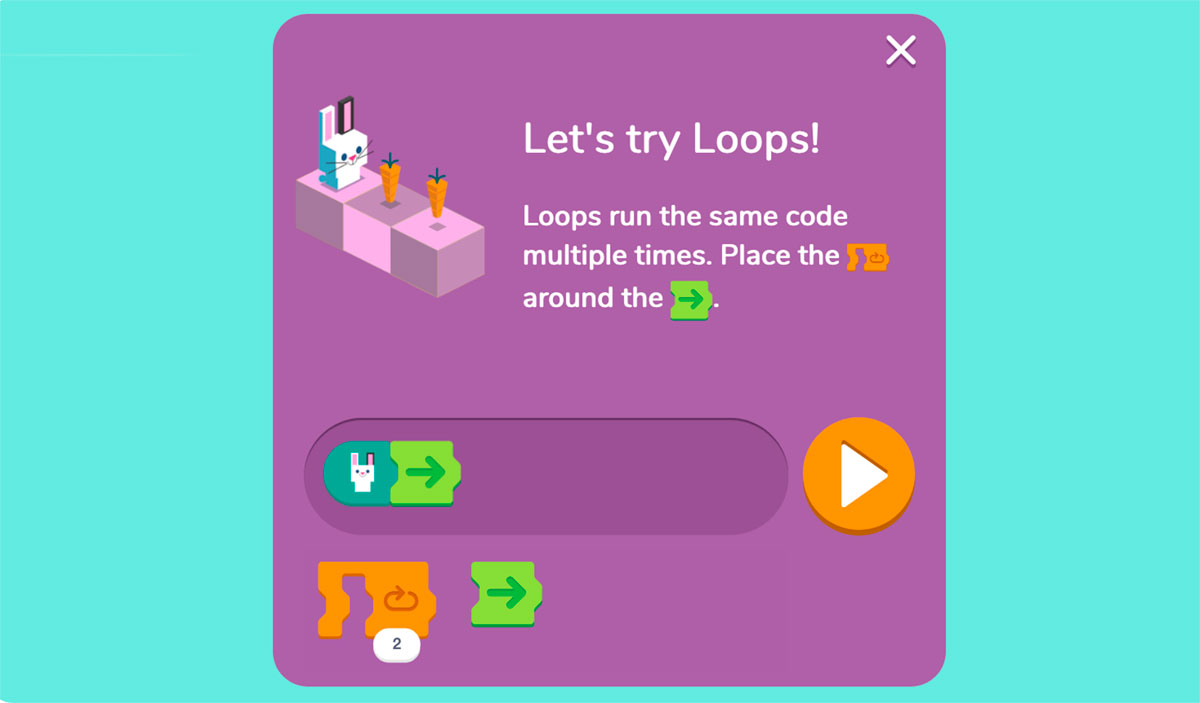
Coding for Kids: Googe Doodle Instrution Panel

To celebrate kids who code, Google developed an online game that helps kids develop the skills needed for coding. See Coding for Carrots.
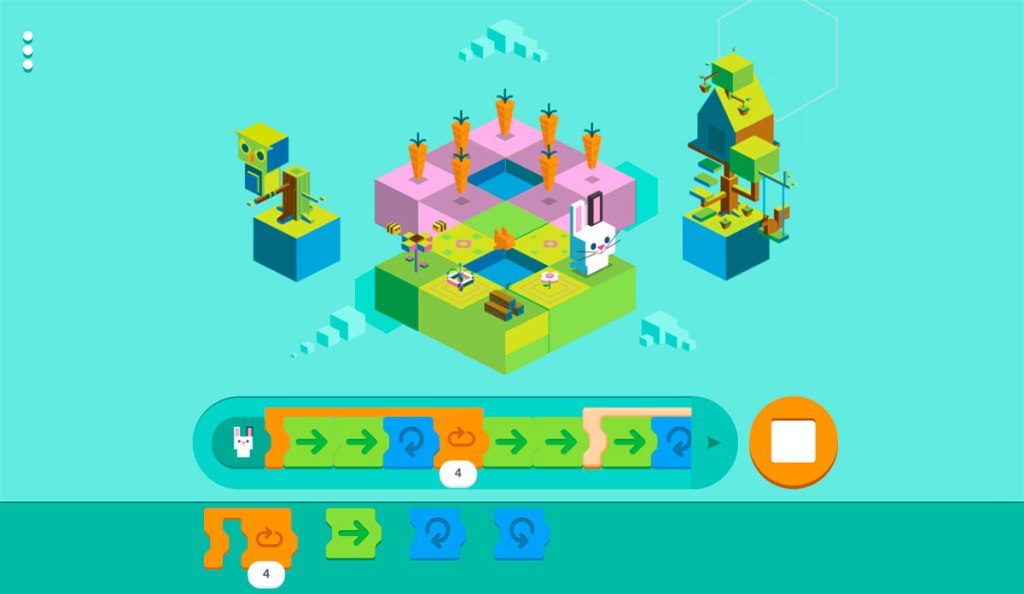
Para celebrar a los niños que codifican, Google desarrolló un juego en línea que ayuda a los niños/as a desarrollar las habilidades necesarias para la codificación. Ver a Coding for Carrots.

To learn how to code is to learn how to give instructions to a computer to do certain tasks. It is also known as “software programming” or “computer programming.” To learn how to code is to learn a “language” that computers can understand.

Coding for kids begins with drag-and-drop visual programming as kids learn to connect blocks together to solve problems, like puzzle-building. Kids connect blocks together to make programs. Visual programming helps kids to understand the logic behind the code. Once they learn the basics, kids can move forward to more traditional programming languages.

Definitions/Descriptions above of coding for kids taken loosely from Coding for Kids: The Why & How>Resources for Parents in 2020.


Aprender a codificar es aprender a dar instrucciones a una computadora para realizar ciertas tareas. También se conoce como “programación de software” o “programación de computadora”. Aprender a codificar es aprender un “lenguaje” que las computadoras pueden entender.

La codificación para niños comienza con la programación visual de arrastrar y soltar a medida que los niños aprenden a conectar bloques para resolver problemas, como la construcción de rompecabezas. Los niños conectan bloques juntos para hacer programas. La programación visual ayuda a los niños a comprender la lógica detrás del código. Una vez que aprenden lo básico, los niños pueden avanzar a lenguajes de programación más tradicionales

Definiciones/descripciones anteriores de la codificación para niños extraídas de Coding for Kids: The Why & How> Recursos para padres en 2020.


Information Resources for Parents/Recursos de información para padres

Photo of boy in blue teeshirt in front of computer ©2020 by aeroboticsglobal. Used with permission from aeoboticsglobal.

Spanish grandfather and little granddaughter both smiling as she has a pen in her hand and a paper on the table in front of her.

Santa Fe & New Mexico COVID-19 Family Resources

These and other COVID-19 resources for New Mexico were compiled and published by Meow Wolf. For more information and more resources, go to Santa Fe New Mexico Covid-19 Resource Guide at Meow Wolf’s website.

Kids at Home

Wifi and Internet

E-Books: You can find a variety of free e-books here:

The Office of the Governor and the State of New Mexico have established these hotlines related to COVID-19:

  • Health-related issues COVID-19 hotline: 1-855-600-3453
  • Childcare, schools, food insecurity, supplies, loss of income: 1-833-551-0518  
  • Seniors or disabled adults who cannot access groceries, contact the Aging and Long Term Services Department hotline: 1-800-432-2080
  • State of New Mexico – I need assistance” Resources

City of Santa Fe’s Emergency Proclamation includes:

  • Prohibition on eviction of residential and commercial tenants
  • Water shut-off moratorium
  • Free Santa Fe Trails bus service for seniors and ADA individuals – sign up here.
  • Delay of Lodger’s Tax collection from businesses
  • Free parking at meters and city owned parking lots

Enroll in Alert Santa Fe for most up to date alerts and information from the City

Santa Fe Mutual Aid Form: Set up by local non-profit Earthcare. Sign up for assistance, or offer to help!

PNM and NM Gas Company have halted shut-off for non payment and suspended late fees. From PNM: “When the COVID-19 situation stabilizes and payments resume, each community has programs to help provide relief catching up on your bill. We will also work with you to establish a payment arrangement, so you do not have to worry about bringing your account current with just one payment. For more information, visit PNM.com/billhelp.” Call 1-888-342-5766) or email PNM at PNMCustomerService@pnm.com.

Practice Social Distancing It’s still the best way you can support your local community

Photograph by monkeybusinessimages at iStock.

Blue Poison Frog sitting on a green leaf at the San Diego Zoo

Zoo Help/Ayuda del zoológico

If you are a teacher, parent, grandparent, or older sibling looking to introduce kids to the world of wild animals, the San Diego Zoo has jump-off-the page beautiful pictures and information about its animals on its well-designed and easy-to-navigate website: The San Diego Zoo Kids.

African Cheetah, African Dwarf Crocodile, African Elephant

Over 100 different animals listed: Allen’s Swamp Monkey, American Flamingo, and Anaconda to Two-toed Sloth, Warthog, and White Rhino.


Lion

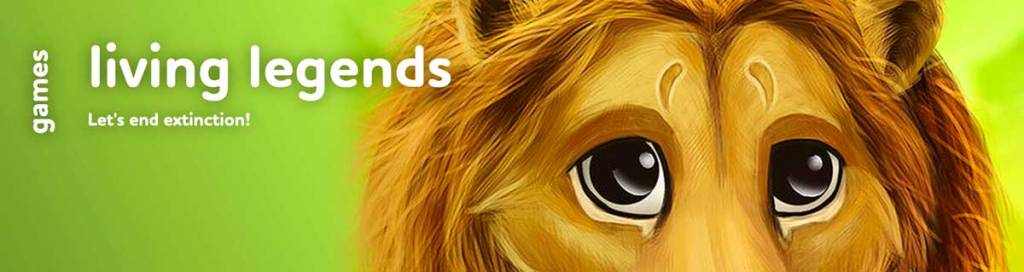
Online Zoo Games: Living Legends, Tiger Trail, Safari Park Adventure, Polar Bear Plunge, and Elephant Odyssey. To see more about the Lion Game (Living Legends), click here.


Four small kids looking at tall grasses

Zoo Kids Save the World! Find ways your kids can help animals no matter where you live.
Things we do in our everyday life can make a difference for wildlife and their habitats.


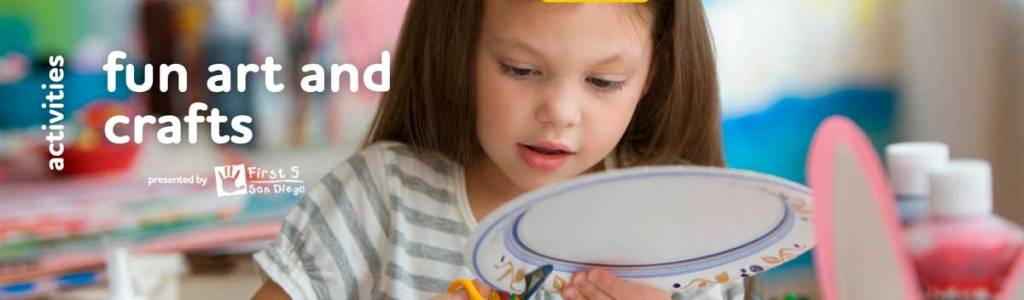
Little girl making a plate in arts and crafts room

More than thirty activities (arts and crafts with a mix of science) including coloring pages (elephants, gorillas, penguins, butterflys …), sound science, make a maze, …


Baby tigers with mother

Stories about the lives of the animals at the San Diego Zoo. Illustrated with pictures.


Elephants

Live cameras recording animals in their habitat in the San Diego Zoo. Also story videos about the zoo animals.


What Makes the San Diego Zoo Different From Other Zoos?

The San Diego Zoo has set the standard for modern zoos. In this 100-acre zoo, animals from different species often share the same natural habitat.

By uniting our expertise in conservation science with our dedication to inspiring a passion for nature, San Diego Zoo Global is committed to saving wildlife worldwide.

SAN DIEGO ZOO

The San Diego Zoo is a zoo in Balboa Park, San Diego, California, housing more than 3,500 animals of more than 650 species and subspecies. Its parent organization, San Diego Zoo Global, is one of the largest zoological membership associations in the world, with more than 250,000 member households and 130,000 child memberships, representing more than a half million people.

The San Diego Zoo was a pioneer in the concept of open-air, cageless exhibits that re-create natural animal habitats. It is one of the few zoos in the world that houses, and successfully bred the giant panda, although the pandas have recently been repatriated to China. In 2013, the zoo added a new Australian Outback exhibit, providing an updated Australian animal experience. Another new exhibit, called Africa Rocks, opened in 2017.

With over 4 million visitors, San Diego Zoo is the most visited zoo in the United States.Travelers have also cited it as one of the best zoos of all time.

Wikipedia

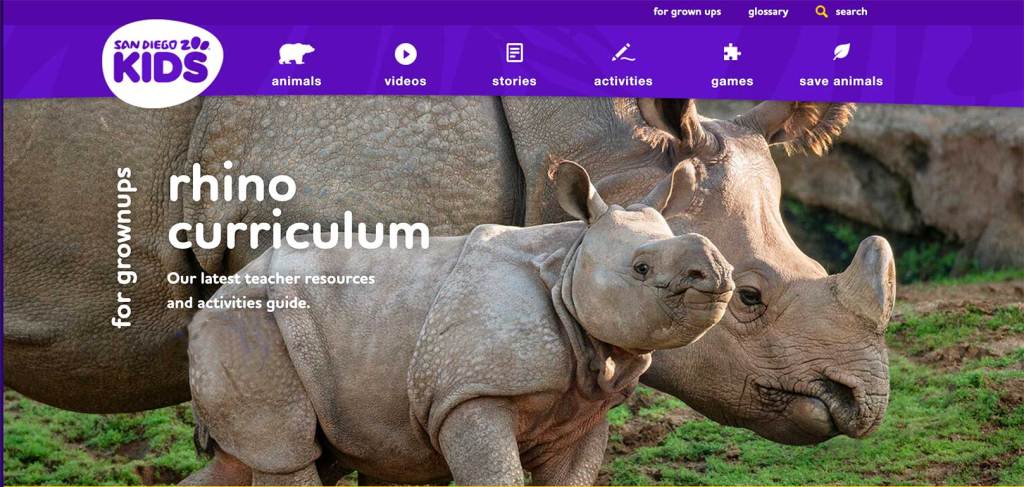
For Grownups: teacher/parent resources and activity guides.

And about that blue poison frog at the zoo.

Illustration of a family (mom, dad, grandma) together on a sofa watching TV in a living room blue from the light of the TV and night light coming in the window.

We Have Kanopy! ¡Tenemos Kanopy!

Not just for kids!
¡No solo para ninos/as!

Stream thousands of movies at home for free from your public library or university.

Transmita miles de películas en casa de forma gratuita desde su biblioteca pública o universidad.

This is Kanopy. Este es Kanopy. Click here. / Haga clic aqui.

Need a library card?
Necesita una tarjeta de la biblioteca?
Click here. Haga clic aqui.

Not in Santa Fe? Kanopy is available through many public libraries and universities.
¿No estás en Santa Fe? Kanopy está disponible a través de muchas bibliotecas públicas y universidades.
Click here. Haga clic aqui.

SOME MOVIES FOR KIDS ON KANOPY

Covers of VIdeo Programs for Kids

SOME CLASSIC MOVIES AVAILABLE ON KANOPY
subtítulos en español a menudo disponisble


y para niños/as? and for kids?

Santa Fe Main Libraries: 505-955-6785; La Farge: 505-955-4860; Southside: 505-955-2810

For Kanopy and other Santa Fe library e-resources, click here.
Para Kanopy y otros recursos electrónicos de la biblioteca de Santa Fe, haga clic aqui.

Illustration from Google Doodle for Juneteenth 2020 showing text: General Order No. 3: All Slaves are free"

Talking to Kids about Juneteenth

Google Doodle for June 19, 2020

How to Talk to Children about Juneteenth

In researching how to talk to kids, especially very young kids about Juneteenth, I found this interview with Aisha White, director of the P.R.I.D.E. Program (Positive Racial Identity Development in Early Education) in the University of Pittsburgh’s Office of Child Development, to be a good start.

Too Young?

To talk about Juneteenth, you have to talk about slavery, she says, and this is a conversation that very young children may not be ready for. If a child is younger than 6, it may be too scary.

“I like to reference a TED Talk by author and scholar Beverly Daniel Tatum called “Is My Skin Brown Because I Drank Chocolate Milk?” The way she explained it to her son (who asked the question that became the title of her talk) was: A long time ago, before there were companies, stores and buildings, there were some people who needed to work the land in the United States. There was a need for smart, strong workers—and they went to Africa and brought them to the United States against their will which wasn’t OK. They were people but they were called slaves. Those people made them work, but never paid them and they were never allowed to leave the plantations where they worked; it was very unfair. But there were also good people who were working to end slavery, Black and White people, and they were eventually successful. Of course, this is an abbreviated version and you may need to add many more details, but you will have at least covered many of the main issues.”

Aisha White

June 19, or Juneteenth, is a holiday in memory of the day in 1896 that the last Confederate state, Texas, learned about the Emancipation Proclamation that marked the end of slavery in the United States.

The news about Lincoln’s 1863 Emancipation Proclamation, which outlawed slavery within Confederate states, and the Thirteenth Amendment, which abolished slavery throughout the United States, did not come to all the states at the same time. On June 19, 1865, about two months after General Lee surrendered at Appomattox, the Union General Granger came to Galveston, Texas, to announce the end of the Civil War and to tell African-Americans that slavery had ended and they were now free. The Civil War had ended.


Different Stories for Different Kids according to Race?

The story I described can be told to anyone. However, a White family might need to explain more explicitly that it was White people who enslaved Black people. White families should also make sure to describe how there were many White people who were allies in the struggle who helped to abolish slavery. And, it’s also important for White families to be prepared to answer questions if their children ask why White people enslaved Black people.

Aisha White

Conversations are important. People may not think they’re significant, but the absence of conversation is doing a whole lot of harm. Their child might have lots of questions they don’t know how to ask. If you open up the dialogue, you’ll be more likely to know more about what they’ve seen, what they’re thinking about, what they’re wondering about. 

For example, their child may be extremely afraid of what they’re seeing on the news. Even for parents who are very careful about what their children watch, they might come into the living room when you don’t expect it. … Parents might want to open up the conversation by saying to their child: “We’ve never talked about this before, but I think now we need to as a family. There are lots of things happening with people protesting here in our city and in the country and I really would like to know what you’re thinking or wondering about what’s going on.” Once they tell you, then, as a parent, you can help fill in the gaps, answer their questions and assure them that if they’re worried or afraid, you’ll help keep them as safe as possible

AIsha WHite
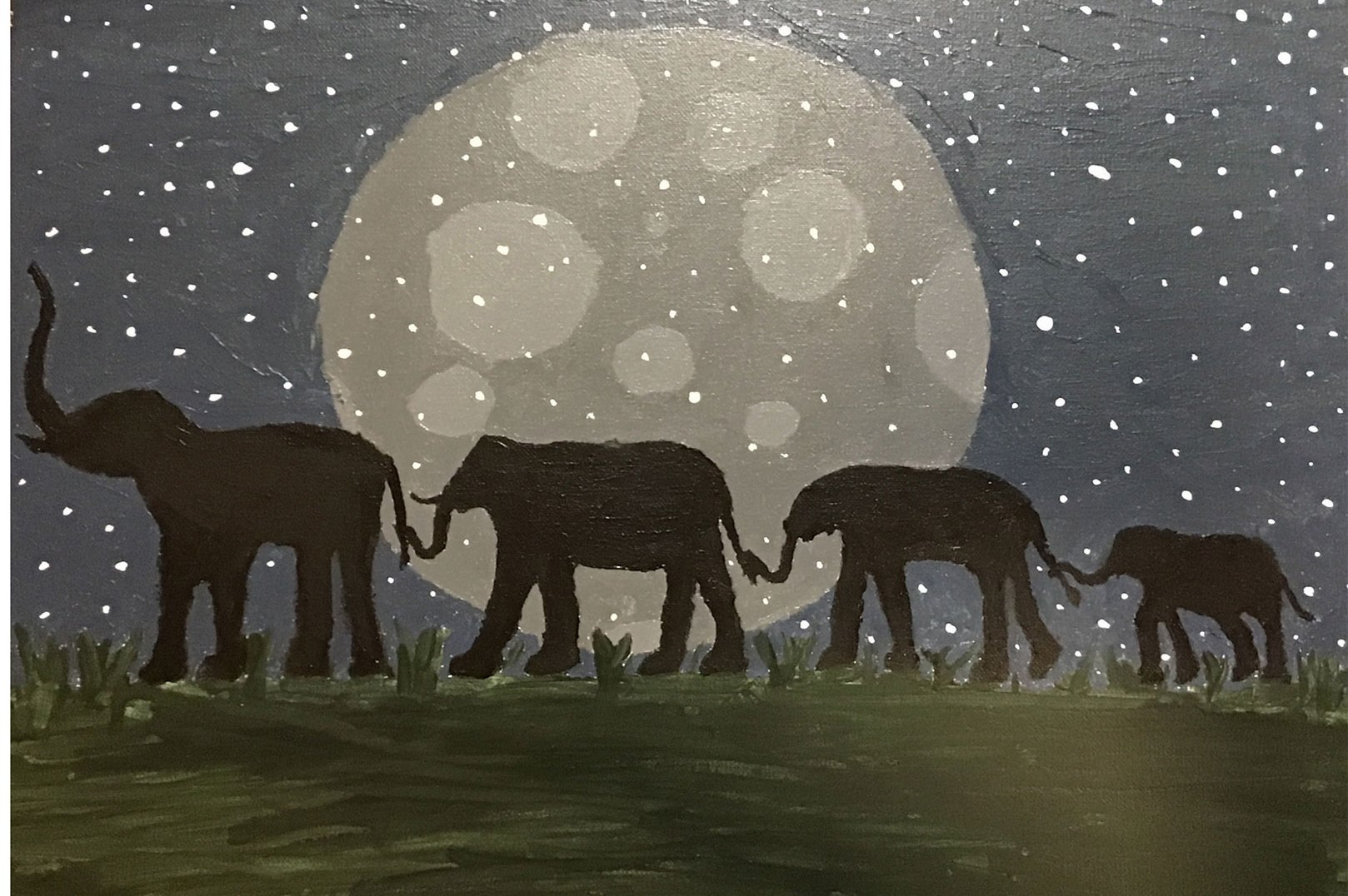
"We are Together" Painting by Mina Dowler, a young girl of a group of elephants walking in the middle of the night with their trunks holding on to the tail of the elephant in front of them. They are under a starry night and a full moon.

Kids & Quarantine

Painting by Mina Dowler “We are Together

This is a group of elephants walking in the middle of the night with their trunks holding on to the tail of the elephant in front of them. They are under a starry night and a full moon. I painted it because I thought it would be fun and it would keep me busy, so that I am not bored.

Mina Dowler
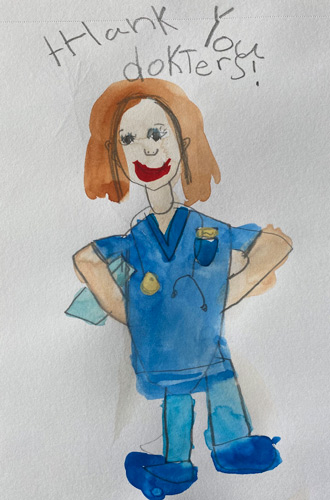
Child's drawing of a woman doctor with red hair and blue scrubs

Quaranzine Kids:
Special Edition 2

Quaranzine is a weekly posting of drawings and writing from the Arlington community that documents this time of quarantine because of the corona virus. Some issues are devoted completely to work by kids.

Do you live or work in Arlington, Virginia?
Submit your own work.

Drawing by Sofia Garmize. Sofia is 6 years old and a student at the Arlington Science Focus School. The title of the work is “Thank you dokters!” (aka Thank you doctors!).

Who is creating a quarantine archive for our communities of Santa Fe?

Who is creating a quarantine archive for New Mexico?

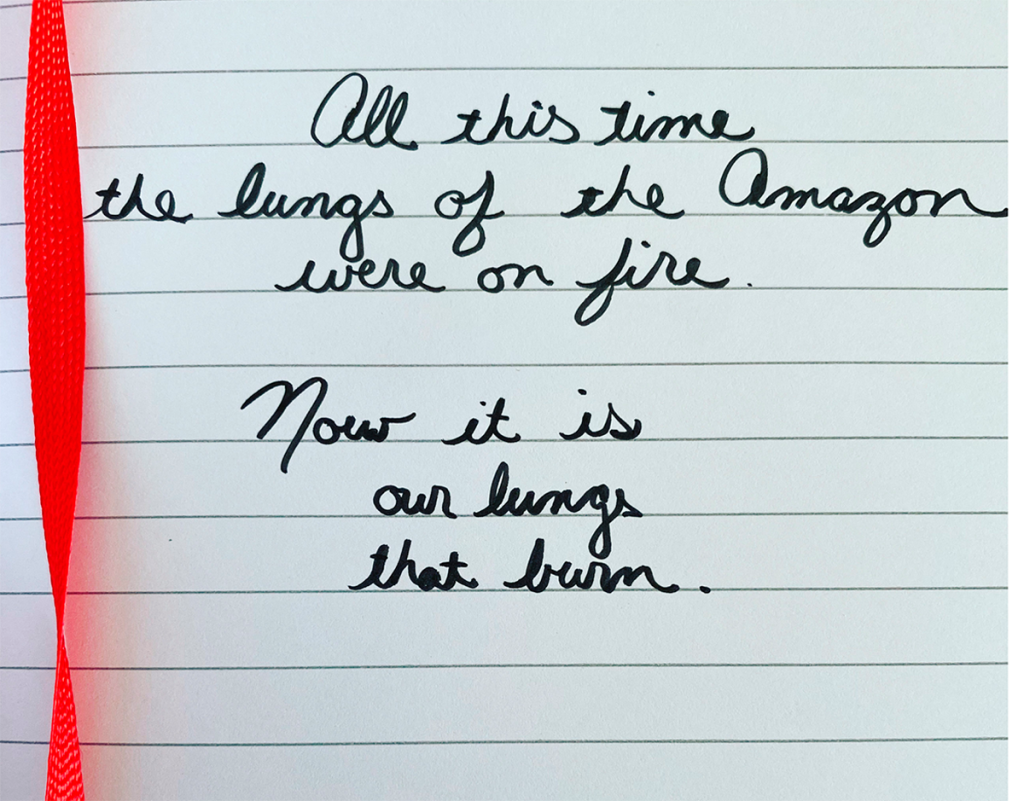
Handwritten poem by young boy. It reads "All this tiem the lunds of the Amazon were on fire. Now it is our lungs that burn.

Quaranzine: Issue 3
April 20: Notes from the Field
Work from Adults and Kids

Rashmi Dighe, “Journal Entry” A short poem reflecting on the current state of affairs.

Taking to the Streets

ABOUT

Photograph of large group of protesters in Washington DC against the death of George Floyd at the hands of the police.
Washington DC 2020 photo by Ted Eutan is licensed under CC BY-NC-ND 2.0

WHAT
TO
TELL
KIDS?

Black Lives Matter. George Floyd. Thousands in the Streets. Worldwide Protests. Anger. Despair. Police. Grief. Masks. Fear. Coronavirus. Death.

Our kids don’t live in a bubble. They are asking questions. Black, White, Latino, Chinese, Muslim, Buddhist, Christian, Native American …
What do we tell them about this time of so many protests in the streets?

Talking Points

If you are a person of color in the US, you probably know these talking points all too well. For those of us who are white, we may a general idea about what we want to say to our kids. Here is a video for all of us worth watching.

Featured photograph:: “George Floyd Protest in Washington, DC – May 30” by Geoff Livingston is licensed under CC BY-NC-ND 2.0